
Mini-Clinics Growing Rapidly in Convenient Retail Settings
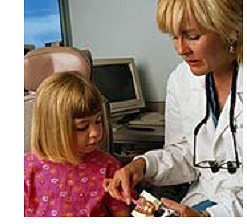 Another remarkable new development that validates the emerging consumer centric healthcare model is the advent of mini-clinics that are being rolled out at a pace that rivals the fast food franchising industry expansion of the last decade.
The leaders in the field include MinuteClinic, Rediclinic and Take Care Health which all have received significant investment and which are each growing at over 100% per year.
These low cost and highly convenient infirmaries placed in pharmacies and malls and staffed with nurse practitioners are designed to provide patients with a more accessible first line of defense to guide their thinking and treatment for common maladies ranging from tick bites to pink eye and from pregnancy tests to wart removal and treatment of Swimmer’s Ear.
One thing health care hasn’t done as well as other industries,” says MinuteClinic chief executive Michael Howe, “is understand the experience of the consumer.” Howe is a former Arby’s CEO who is having remarkable success in adapting the consumer convenience service model to primary medical care.
The bet is that lower prices and convenience will draw consumers to the mini-clinics. This seems plausible since more and more health-care costs are being passed on by insurers and employers to the patient through higher deductibles, co-payments and ever increasing premiums. Urgent-care centers have been around for years, but they are neither as affordable, convenient, nor so quick as the typical mini-clinic.
Another thing the clinics have going for them is they have a lower cost model. Professor Christensen’s model points to this a key element to any successful disruptive technology. Mini-clinics require between $250,000 and $350,000 a year to operate. Facing increasing competition for customers, pharmacy retailers have recognized that customer service is the pivotal element to boost traffic in their stores and are eager to add the friendly nurse practitioners at a cost effective rate.
Improving access is the important innovation going on right now in this remarkable transformation of primary care. The next step will be to improve treatment outcomes with medical innovations that empower customers to treat themselves after an accurate diagnosis and guidance from a nurse practitioner. Medical Inventions that empower the nurse practitioner and the patient will thrive in this new space.